
Post-Traumatic Stress Disorder (PTSD)
Post-Traumatic Stress Disorder (PTSD) is a mental illness which develops when a person suffers from a trauma that is any unwanted event which made him feel frightened, threatened or such that he couldn’t get through it and that is haunting him for years. The trauma can develop due to an abuse, natural disaster, an accident or a sudden loss of a loved one. As survival mode instinct occurs when the trauma begins. When someone suffers from post-traumatic stress disorder (PTSD) it is like there is no actual threat but that person feels ongoing anxiety or flashbacks or nightmares. There are negative changes in mood and thinking of a person. The symptoms could last for years and can significantly impact our daily lives. People who go through post-traumatic stress disorder (PTSD) might have a hard time adjusting and coping with time but they usually get better with time by taking care of themselves.
The common causes could be any kind of accident or injuries, there was sexual assault, could be a victim of any domestic violence or abuse, happened to be in situation of natural disasters like earthquake, floods, fire, was a part of war or conflict, there was a sudden loss of loved one or their could be any kind of serious medical emergencies.
But, PTSD is not developed in everyone who experiences trauma, but chances are if, in childhood someone has experienced trauma, had very little emotional support after the trauma, severe or repeated episodes of trauma, any person who is already struggling with anxiety or depression.
Symptoms of Post-Traumatic Stress Disorder (PTSD)
Unwanted memories could be a major symptom of Post-Traumatic Stress Disorder (PTSD) like getting flashbacks or relieving the trauma, getting disturbing nightmares which disturbs the sleep cycle, having strong or extreme reactions to reminders like any sounds, places or any smell.
Withdrawing from friends and family or avoiding to talk about or even think about any trauma, staying away from people or situations due to which the memories come back.
All the negative changes in thoughts or mood of a person, one could feel guilty, hopeless or worthless even when nothing has happened, feeling disconnected from loved ones, if anything happens always blaming oneself, losing interest in things or activities once enjoyed.
All the changes in reactions with no such reasons, started getting trouble in focusing on any task or activities, being in feeling of irritability or anger outburst, disturbed sleep cycle.
Types of Post-Traumatic Stress Disorder (PTSD)
- Acute Post-Traumatic Stress Disorder (PTSD)
This Post-Traumatic Stress Disorder (PTSD) occurs in the first month after the traumatic event and can last less than 3 months and can be caused due to anxiety, feeling helpless or intense fear of something, experiencing nightmares or flashbacks of traumatic event, feeling detached from one’s body or feeling numb, getting reminders of past traumatic event.. Some examples of any traumatic events which include physical assault, sexual assault, verbal abuse, witnessing body harm or death experience, sudden illness or severe injury, any serious accidents.
- Chronic Post-Traumatic Stress Disorder (PTSD)
This type of the Post-Traumatic Stress Disorder (PTSD) lasts longer than 3 months and can be caused due to the anxiety, avoiding situations, places, and other things related to traumatic events, extreme emotional responses, or getting aggressive, continuous difficulty in sustaining relationships, getting flashbacks on nightmares. Some examples of any traumatic events which include witnessing frequent community violence, being a victim of long term child physical or sexual abuse, being a victim of long term domestic violence, being a victim of human or sex trafficking.
- Delayed – onset Post-Traumatic Stress Disorder (PTSD)
This Post-Traumatic Stress Disorder (PTSD) occurs months or years after trauma and can be caused due to self isolation and social withdrawal, extreme anger outburst, unexpected physical pains, mood swings, memory loss, feelings of guilt or shame, emotional detachment, self harm, losing interest in activities once enjoyed. Some examples of any traumatic events which include physical illness injury or any disability, death of a loved one, being a witness of violent crime, being a witness of emotional, physical or sexual abuse.
- Complex Post-Traumatic Stress Disorder (PTSD)
This PTSD develops due to long or repeated trauma and can be caused because of anxiety, experiencing nightmares or flashbacks of traumatic events, getting a reminder of the past traumatic event, avoiding places, situations, and other relatable things past traumatic events, difficulty in maintaining relationships, and behaving highly aggressive. Some examples of any traumatic events which include being a victim of long term child physical or sexual abuse, being a victim of long term domestic violence, being a victim of human or sex trafficking, witnessing frequent community violence.
- Diagnosing Post-Traumatic Stress Disorder (PTSD)
diagnosis is required for diagnosing PTSD, in which symptoms last more than a month and affect overall well-being of a person, their work and their relationships. The doctors and therapists by their diagnosis confirm that how long the symptoms have lasted, how much they disturb daily life, how frequent they are and how intense they are. After diagnosis treatment could be :
- Therapy – includes Cognitive Behavioral Therapy, Exposure Therapy, Eye Movement Desensitization and Reprocessing, Group Therapy.
- Medications – includes Antidepressants, Anti-anxiety medicines, Sleep aids.
- Lifestyle and Healing Practices – includes Regular exercise, Mindfulness or meditation, Journaling thoughts and feelings, Creative outlets like art or music, Healthy routines — good sleep, balanced diet, less alcohol or caffeine.
Conclusion
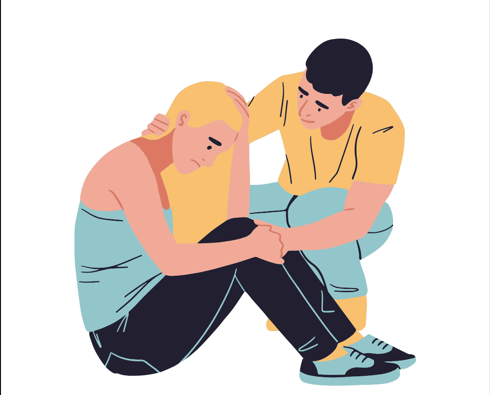
PTSD is not the end of the road. People heal, even become stronger, with therapy, care, and support. Post-traumatic growth is the manner in which many survivors communicate — greater empathy, more meaningful relationships, or new meaning in life. PTSD is a significant disorder but not a death sentence, it is the way our brain is trying to protect ourself against trauma. With the right treatment, care, and support, healing is possible. If you or somebody close to you is suffering, don’t attempt to keep quiet about the warning signs—get help. Recovery takes time, but no one has to recover alone. It is not easy to live with PTSD, but self-care works fairly similar to Ground yourself with grounding skills (become aware of sight, sound, touch in the moment), Do deep breathing when feeling stuck, Write about emotion, Reach out to support groups or close friends, Learn how to set boundaries and protect your mental space, Having loved ones’ support is the most important. Families can assist by Listening without judgment, Supporting the use of counseling, Being patient because healing is a process, Educating themselves on PTSD so that they better comprehend the individual. It is very necessary to trust own self and try to work on ourselves as nobody in the world would care for you if you don’t take care of yourself first. Having loved ones who care about us is a blessing but for how long they will focus on you, in the end it’s just and only you who would be left alone. Being in a selfish world is tough but surviving is the only option so pull up your socks and board the train of your healing journey.